Society for Contemporary Art Announces 2026 Acquisition
Via PR
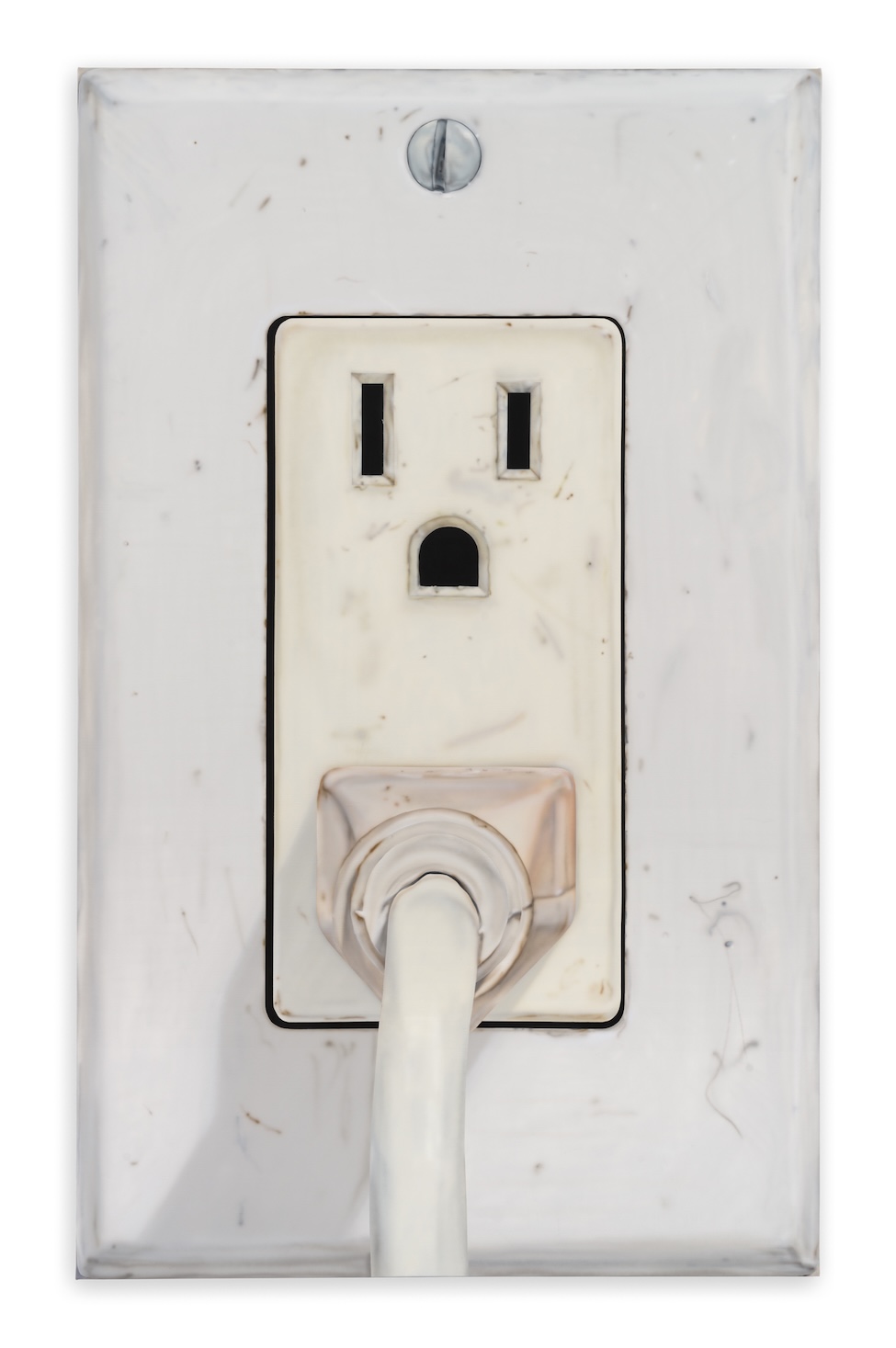
The Society for Contemporary Art is pleased to announce the acquisition of Where the energy comes from, connected (2025) by Jana Euler, which will be gifted to the Art Institute of Chicago's permanent collection.
The work was selected by SCA members at the 2026 Annual Meeting and Acquisition Vote held on June 4, 2026.
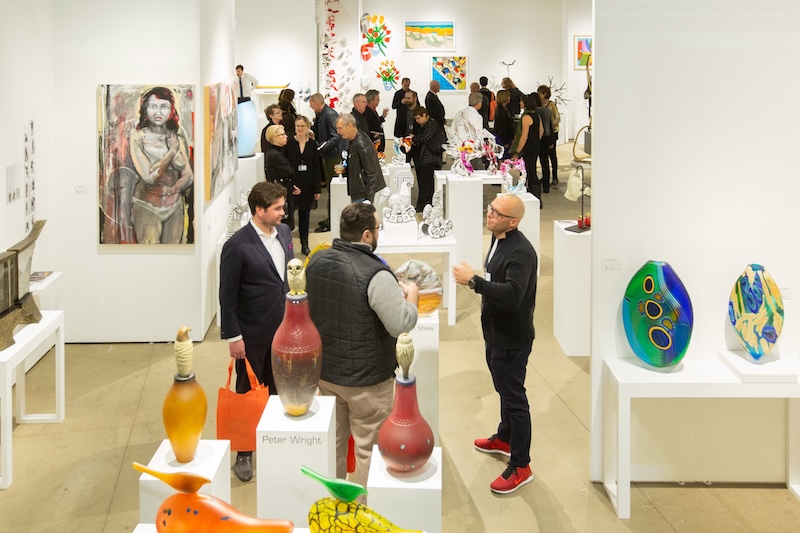
The 2026 SCA Exhibition remains on view in Gallery 294 of the Modern Wing at the Art Institute of Chicago through August 31, 2026. We encourage members and visitors to stop by and see the selected work alongside the other acquisition considerations.

Jana Euler
Where the energy comes from, connected, 2025
Acrylic on canvas
285.8 x 175.3 cm (112 1/2 x 69 in.)
Since the mid 2000s, German artist Jana Euler has developed a heterogeneous body of work that probes painting’s social, material, and historical frameworks. Working within a tradition of German painters who have challenged painting’s conventions while simultaneously expanding the medium, Euler engages the legacy of figures such as Gerhard Richter and Martin Kippenberger, for whom painting operates as a critical system and a tool for addressing broader social realities. Euler embraces painting’s histories and hierarchies even as she exposes and distorts them, making visible the structures of taste, power, and circulation that shape the art world and global capital.
Jana Euler’s Where the energy comes from, connected (2025) depicts the electrical outlet that powers Greene Naftali Gallery’s WiFi router in its ground floor gallery, which Euler took notice of during a site visit for her 2025–26 exhibition, The center does not fold. The outlet’s features are doubly charged—with networks of art world politics (they echo the infrastructure of their own presentation) and anthropomorphic analogy (they appear almost as a face with its mouth filled by a white electrical cable). In the exhibition’s press release, Euler refers to the work as a “portrait” and grants it further personality: “I liked the frightened eyes, the association of a pacifier it evoked in me, and the combination of the two: a picture that is plugged in, constantly connected yet very alone, staring fearfully into the exhibition space.”