The Life of an Artwork: How It Moves On
This is the third article in The Life of an Artwork, a three-part series about what happens to your artwork or collection over time, and what artists and collectors can do now to shape those outcomes. The series offers practical approaches to documentation, organization, valuation, and dispersal before those decisions are left to family members, executors, or chance.
By Mary E. Longe
What happens next is not one decision. It is a series of them.
By the time artists and collectors ask, what happens to all of it? and the work has been inventoried, the issue is no longer what exists, but what to do with it. This is where intention becomes real.
Ideally, the inventory process already includes a plan. Begin by identifying what exists, where it is, and what documentation accompanies it.
For artists, the first distinction is between what represents the work now and what does not. Not every piece belongs in circulation. Some work carries forward, aligned with current direction and ready to be sold or placed through appropriate channels. Other work may still hold value, but requires a different path, gifts, direct sales, reuse, educational placement, or storage outside the core of the practice. Some works are meant to be destroyed.
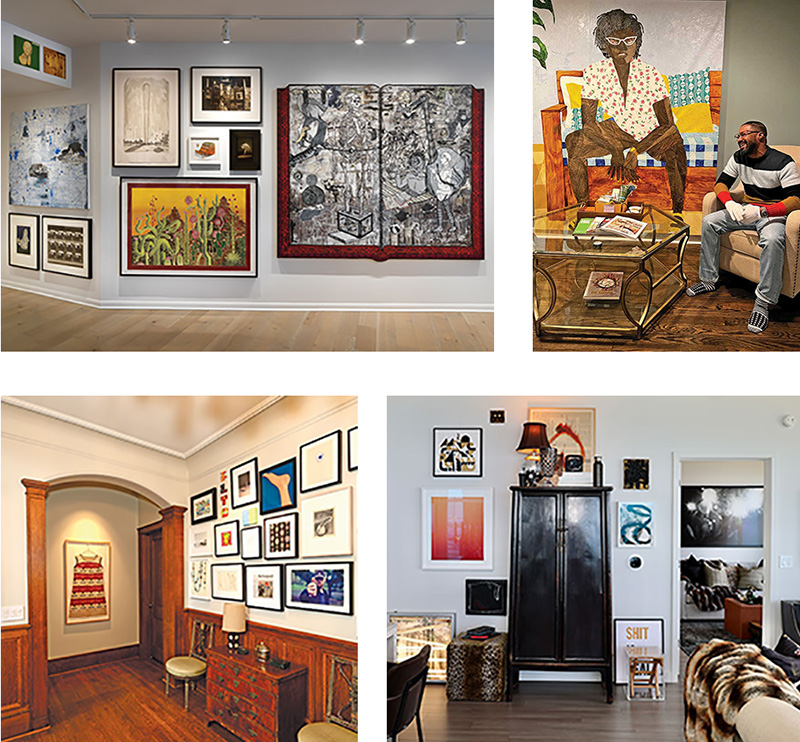
Collectors face a parallel decision. Collectors range from those who acquire major works to those who buy signed prints from graffiti artists, accumulate brass hose nozzles, inherit family artwork, or collect fiber art dolls, digital works, and NFTs. Eventually, the question becomes not only what to keep, but what to release, what to pass on, and how.
Collections contain works with financial, historical, and personal value, and understanding the difference matters when planning dispersal.
Selling is often the most visible option, but it is not a single path. For work already established within gallery, collector, or secondary market channels, artists can begin with direct outreach to current collectors and existing gallery relationships. Consignment galleries, where work is sold on behalf of the artist or estate, are another option. Galleries are approached by hundreds of artists, estates, and families each year, making it essential to research whether the work genuinely fits the gallery’s mission, audience, and review process before making contact. Specialty collections, from fiber art dolls to brass hose nozzles and graffiti prints, may be better served through collector groups, auctions, blogs, forums, and organizations where collectors gather.
For unsold work, older work, or work outside traditional fine art markets, artists or inheritors may organize studio sales, temporary storefront sales, or estate sales. Existing galleries may help place selected work, while collectors and inheritors can contact local or online auction houses, such as Live Auctioneers, as well as online resale platforms, such as Chairish, Artsy, 1stDibs, for pieces better suited to secondary markets. Each route carries different implications for pricing, visibility, and continuity. Thoughtful placement can reinforce an artist’s trajectory.
Resale introduces another layer. Auction houses and secondary platforms provide access, but also reduce control. Prices become public and sales histories become part of the record. Entering resale markets should be a deliberate decision, not simply the easiest option.
Gifting and donation require planning. Work given to family, friends, or institutions should include receipts, photographs, exhibition history, and notes about when or why the piece was made. A signature somewhere on the work is imperative, even if discreet. Labels, exhibition title cards, or inventory numbers attached to the back of the work can prevent confusion years later. Without that information, artwork can quickly lose provenance, context, and value once it leaves the artist or collector.
Donation to thrift or resale venues can weaken the perceived value of the work for existing collectors and the artist’s larger body of work. Offering the work back to the artist first is often the better option.
Some decisions are more practical than sentimental. Large works, fragile materials, and storage costs often shape dispersal decisions. Work may return to the studio to be reworked, archived, or documented more clearly. Some work may need to be removed from circulation entirely when it no longer represents the artist’s direction. In closing an art practice, supplies, tools, and equipment can also be included in studio sales or donated to reuse organizations such as The WasteShed or Creative Reuse Exchange in Chicago.
Digital work requires the same organization. Files should be named, backed up, and transferred with passwords, access instructions, and ownership records preserved. For NFTs, wallet information, keys, and contract details must remain accessible. Shared password records or designated digital executors can prevent work from becoming inaccessible.
Documentation matters. Every sale, gift, donation, transfer, or removal should be recorded. Keeping receipts, photographs, and notes with the work preserves provenance and makes future decisions easier. Families should not be expected to identify artwork, understand markets, or reconstruct intentions without written guidance.
These decisions are easiest when made before a health crisis, sudden move, or estate settlement forces them.
For artists, the body of work does not end with its creation. The same is true for collectors. The best time to decide what happens to the work is while the artist or collector can still explain it.
In the end, what happens to all of it is not solved by one path, but by making thoughtful decisions along the way. Work that moves with intention retains its meaning. Work that moves without it risks losing value.
Mary E. Longe is the author of Art Legacy Compass: Managing, Downsizing and Transitioning an Artist’s Studio and Estate. She holds a certificate in Art Business from Sotheby’s Institute of Art (London), is former Executive Director, Plein Air Painters Chicago, a contributor to Plein Air Magazine and other art publications. She is the author of five published books in healthcare.
Longe is also an artist, who creates multimedia artworks with an eye on the current socio-political experience. Longe’s collage art has been critiqued in Made in Bed Magazine, and her plein air art in New City online magazine. Besides her art and writing life, Mary Longe’s professional career included twenty years working for the American Hospital Association, and 17 years, as founder and CEO of Longe Life Libraries, which designed specialty consumer health libraries for health care organizations and other businesses. She can be reached at mary.longe@gmail.com.