The Obama Foundation Commissions Major New Installation by Theaster Gates
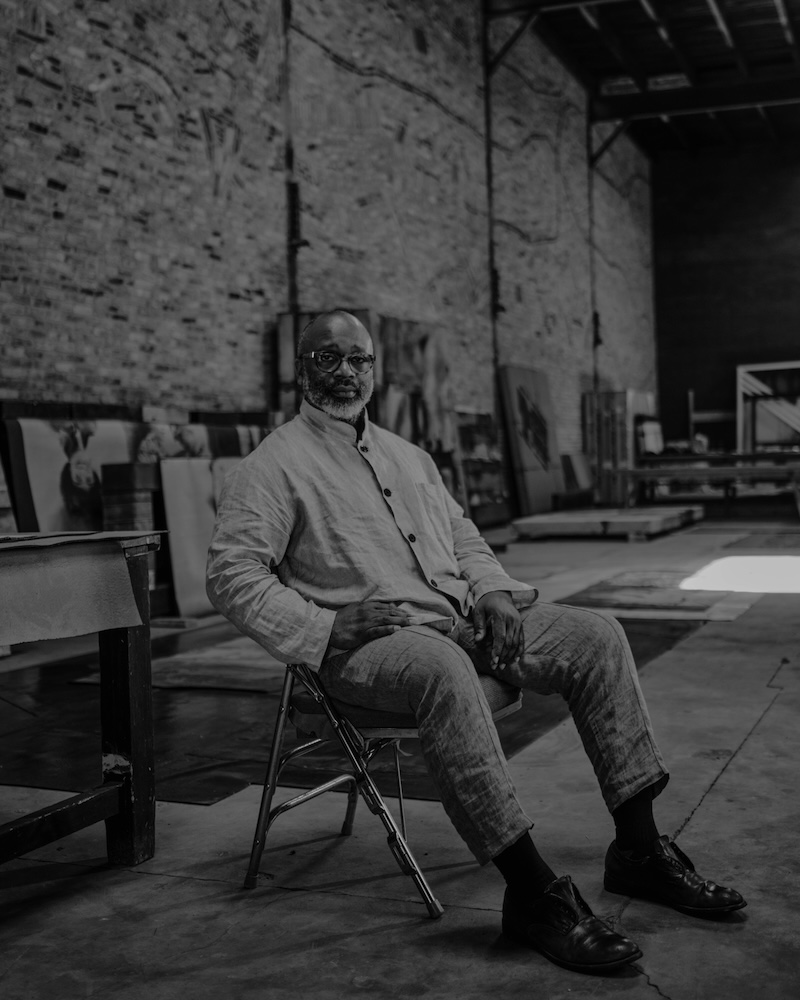
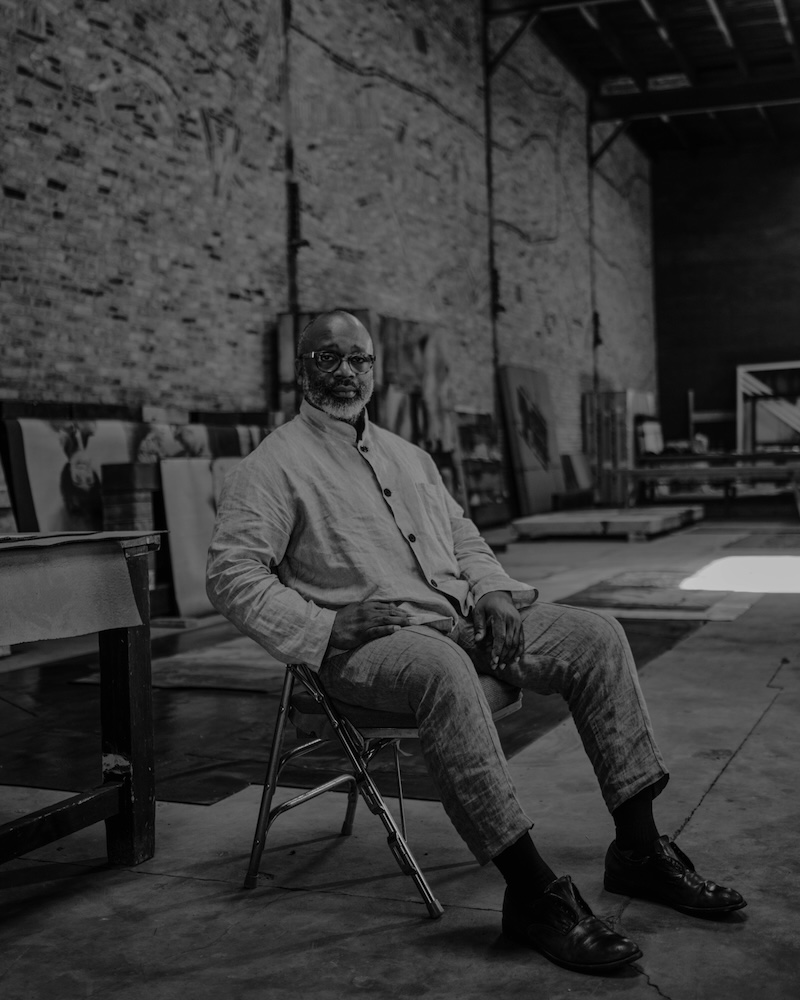
Theaster Gates, Photo by Akilah Townsend, Courtesy of The Obama Foundation.
By CGN Staff
The Obama Foundation has announced a major new commission by GRAY artist Theaster Gates for the Hadiya Pendleton Atrium at the forthcoming Obama Presidential Center, slated to open in 2026.
The new installation will draw from photographic material housed in the Johnson Publishing Company image archive and the personal collection of photographer Howard Simmons. Continuing Gates’s longstanding artistic practice, the work elevates and preserves Black cultural legacies through the care of archives and everyday materials, bringing renewed attention to the stories, creativity, and collective memory that have shaped American life.
“I’ve known Theaster since his days as the first transit arts planner for the Chicago Transit Authority 25 years ago, and he is the ideal artist for this marquee space,” said Valerie Jarrett, CEO of the Obama Foundation. “His boundless creativity, commitment to public art, passion for educating and sharing art with others, and gift for translating history into the present make him a singular talent. People from around the world will be awestruck by his work—but just as importantly, those of us from the South Side will see our community continue to be elevated to the world-class status it has always deserved.”
Gates expressed deep personal and professional resonance with the commission. “I am deeply honored to be commissioned to create a new artwork for the Obama Presidential Center, a beacon of democracy, just a couple of blocks from where my nonprofit, Rebuild Foundation, has invested in land and cultural assets as tools for creative self-determination for over two decades,” he said. “This opportunity moves me to bring forward the photographic legacies that capture moments of great strength and elegance from the Johnson Publishing Company archive—images by Moneta Sleet, Jr. and Isaac Sutton—as well as the personal archive of photographer Howard Simmons.”
“My hope,” Gates continued, “is to ground the power of these visual histories in a new context, reminding us of the collective resolve that shapes our communities. At a time when artists are increasingly playing a critical role in protecting memory and contributing to the democratic ideals that shape who we are and what we strive to become, it is deeply meaningful to contribute to this historic space.”
The Hadiya Pendleton Atrium is located within the Forum Building, a public gathering space named in honor of Hadiya Pendleton, the 15-year-old Chicago student who marched in President Obama’s second inauguration parade and was tragically killed a week later as a result of gun violence. The atrium stands as a powerful symbol of community, strength, and civic action. Gates’s installation reflects on collective resilience while honoring the everyday individuals whose lives and practices sustain movements for justice and social change.
Built into the landscape of Jackson Park, the Forum Building will serve as a welcoming hub for the local community. In addition to the atrium, it will house the Elie Wiesel Auditorium, a restaurant, a Media Suite, Democracy in Action Lab (DIAL) Program Rooms, and staff offices.
Drawing on imagery from the Johnson Publishing Company Archives—an archive Gates has engaged with and honored through his artistic practice for more than a decade—and the personal archive of Howard Simmons, a former staff photographer at Johnson Publishing Company, the installation celebrates the power and intimacy of Black life as seen in the pages of Ebony and Jet. These publications helped define the visual and cultural language of the 20th century.
Rendered on industrial aluminum and extending more than 175 feet, the installation foregrounds images of crowds and Black women, honoring the collective labor, energy, care, and collaboration that continue to propel movements forward.
In 2016, Gates began archiving and working with approximately 20,000 photographs from the Johnson Publishing Company Archives, ensuring that this vital visual record of Black cultural heritage could continue to generate new value and remain a source of creative and entrepreneurial inspiration for Chicago’s South Side. His stewardship of these materials reflects a broader mission to preserve and reimagine historical records through art, architecture, and civic space—an approach that closely aligns with the Obama Presidential Center’s commitment to empowerment and community building.