What We're Reading 1.5.26
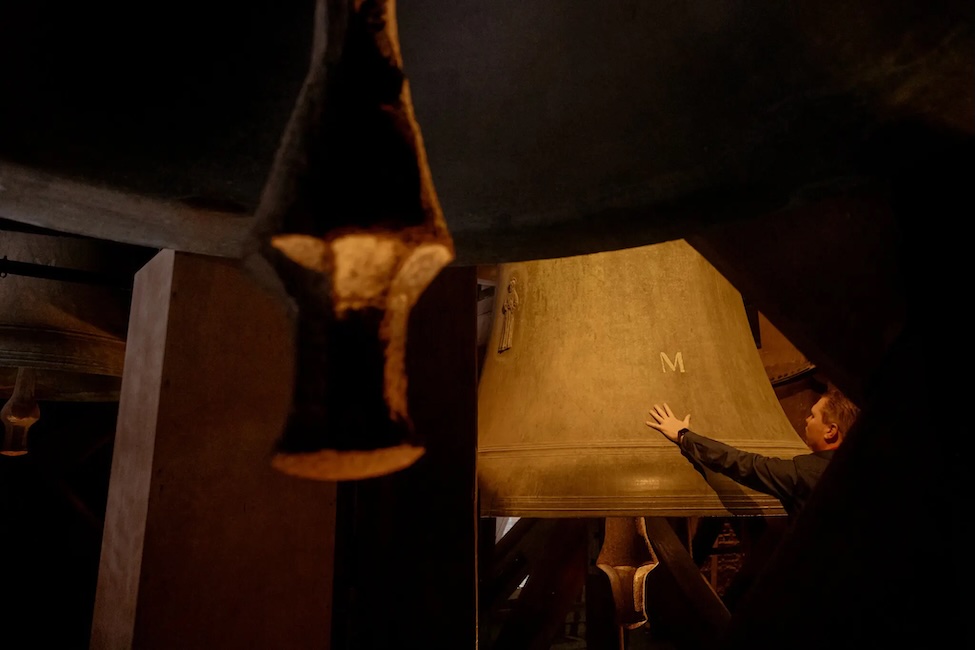
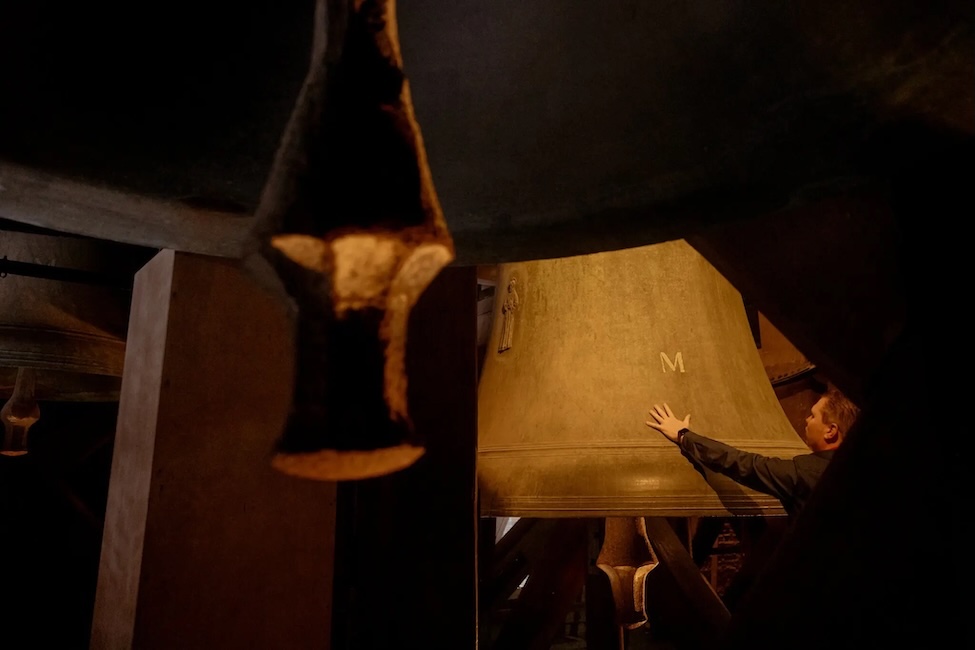
A bell inside the Dom Tower in Utrecht, the Netherlands. Thousands of Dutch church bells were destroyed by the Nazis, melted down for weapons and ammunition. A few of the oldest were protected as monuments, marked with an “M.”
The Nazi Plunder of Church Bells Changed the Sound of Europe
In a diary entry in the summer of 1943, Anne Frank wrote that she had lost all sense of time. The bells in Amsterdam’s tallest church tower, the Westertoren, right next to her own attic hiding place in a canal house, had stopped ringing.
During World War II, Hitler’s Germany requisitioned some 175,000 church bells from across Europe, so that they could extract their metal components, mostly copper and tin.
Via NYT
How much should art cost? The pitfalls and paradoxes of pricing works
In the cyclical booms and busts of the art market, downturns tend to reverse prevailing trends. In 2015, for example, the reign of the Zombie Formalism trend died of a 7% contraction in global sales. In Miami that year, Jeffrey Deitch and Larry Gagosian mounted the figurative group show Unrealism in its wake, officially anointing figuration as the art market’s next big thing. The art economy recovered, and figuration ascended until the next inflection point in 2022, when, with rising interest rates, prevailing trends again began to reverse. Confident collectors became cautious, expanding galleries downsized, and during this year’s autumn fairs, headlines boasted of Millennials’ rising interest in Old Masters, the ultimate referendum to the ultra-contemporary bubble that just burst.
Via The Art Newspaper
Art World Insiders Make Their New Year’s Predictions for 2026
2025 was a disorienting and destabilizing year, both in the art market and farther afield. But amid all the doom and gloom of gallery closures, tariff announcements, and Trump proclamations, there were hints of brighter days ahead. For every gallery that shut its doors, another opened, and this fall saw the art market seemingly spring to life after a dismaying first six months.
2026, then, offers much to look forward to. Art Basel and Frieze will launch new fairs in Qatar and Abu Dhabi, respectively, and two of the most anticipated biennials—the Whitney Biennial and the Venice Biennale—will return. If nothing else, the new year will likely reveal whether the art world’s pivot to the Gulf, and auction houses’ deepening emphasis on luxury categories, were good choices.
Via ARTnews
In 2026, Democracy Needs Museums
Believe it or not, the future of our nation may rest on how museums in the United States perform in 2026.
We must deliver content about the 250th anniversary of our nation and its democracy that is thoughtful and comprehensive. We must make access to museums within reach of all Americans. And finally, museums must issue a challenge to the communities we serve: It’s time to know your nation’s history, if for no other reason than that it is our only path to building a more perfect union.
It’s tempting to be dispirited as a museum professional these days. Headlines about a highly partisan political environment, a cynical public, and a tidal wave of industrial and cultural change driven by AI might lead one to think that museums have been relegated to the sidelines of our nation’s future.
Via Hyperallergic