What We're Reading: 2.24.26
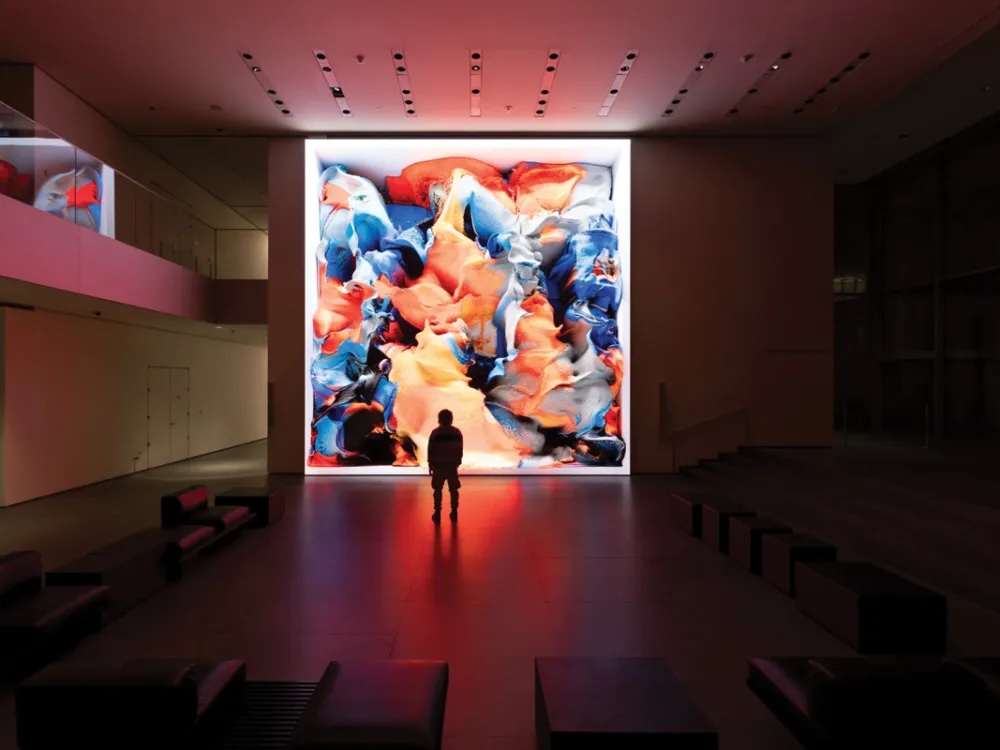
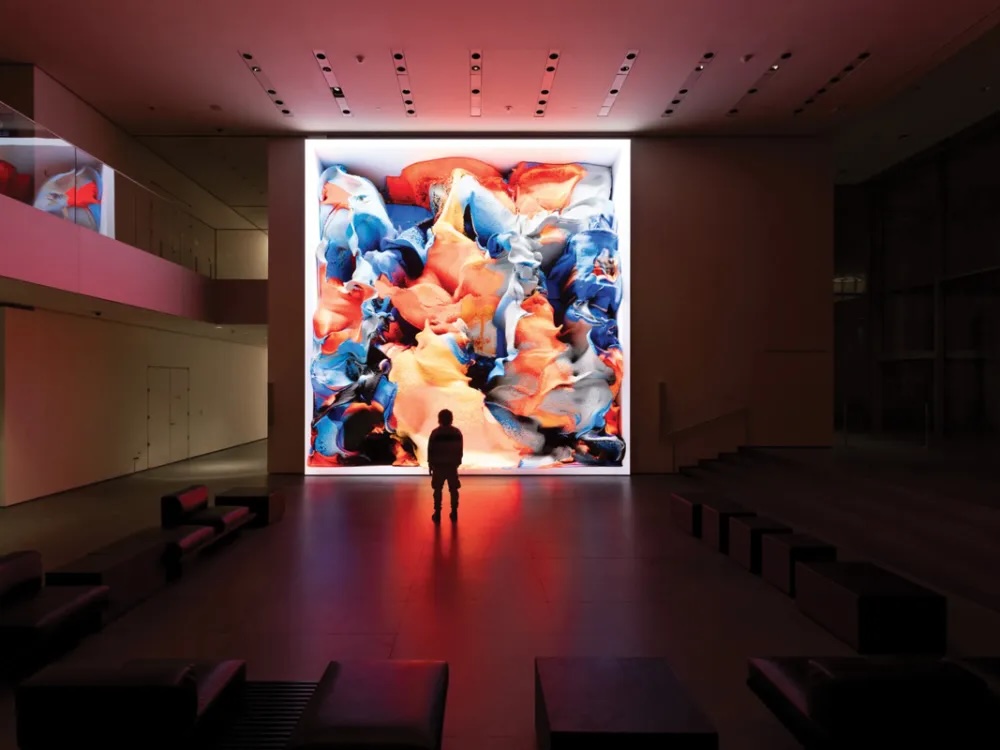
Refik Anadol's Unsupervised at the Museum of Modern Art in New York.Photo Robert Gerhardt/The Museum of Modern Art, New York
Refik Anadol’s ‘Lava Lamp’ Reignites the AI Art Debate on ’60 Minutes’
According to one 2017 study, museum visitors on average spend about 27 seconds looking at a work of art, which is barely enough time to squint, nod thoughtfully, and move on. But if you ask AI artist Refik Anadol about how long people spent with Unsupervised, the controversial artwork he showed at the Museum of Modern Art in 2022, he’d say he got people’s attention for much longer—about 38 minutes per person, to be precise.
To make the work, Anadol fed AI metadata related to more than 138,000 works owned by MoMA and let the system reinterpret the museum’s art history as a continuous flow of morphing abstractions. Think van Gogh dissolving into Monet dissolving into de Kooning dissolving into… What’s that saying about too many cooks spoiling the broth, again?
Via ARTnews
What Epstein’s Emails Tell Us About the Art Market
There are many ways to read the vast trove of documents tied to the convicted sex offender and financier Jeffrey Epstein, who died by suicide in prison in 2019. The Epstein files offer a window into the rarefied, power-brokering circles he inhabited. But the latest tranche—released by the U.S. Department of Justice in late January and comprising some three million pages, 2,000 videos, and 180,000 images—also provides a behind-the-scenes view of high-level financial maneuvering, including Epstein’s connections to the art and cultural worlds.
Via Arnet
Why a Signature Can Make or Break an Artwork’s Price
In the years she served as New York director of Crown Point Press, Kim Schmidt worked with numerous artists—John Cage, Francesco Clemente, Richard Diebenkorn, Al Held, Pat Steir and Wayne Thiebaud, among others—on their print editions, and each produced images according to their own processes, which could vary widely. However, Schmidt had one iron rule for every artist and every edition they created: “We wouldn’t let works go out that weren’t signed and numbered.”
Via Observer