CGN Collecting 101
In an age of mass-produced everything, collecting art can be a reprieve. When you purchase a work from a gallery, you are not just bringing an inspiring object into your life. You are often directly supporting a living artist and the creative ecosystem that sustains them.
An art collection does not need to start big. It simply needs to start.
The most compelling collections are built slowly, piece by piece, guided by curiosity and personal connection.
– CGN
• This feature is part of CGN's spring/summer 2026 edition. If you'd like to receive a print copy please click here to purchase or subscribe.
• If you'd like to read CGN's extensive library of past collector profiles in order see the variety of collections in Chicago, click here.
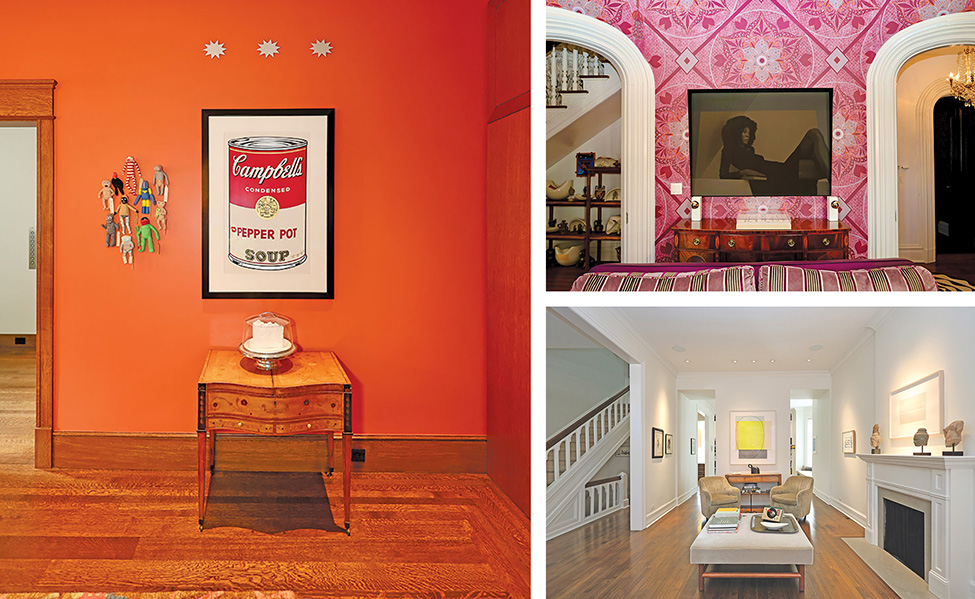
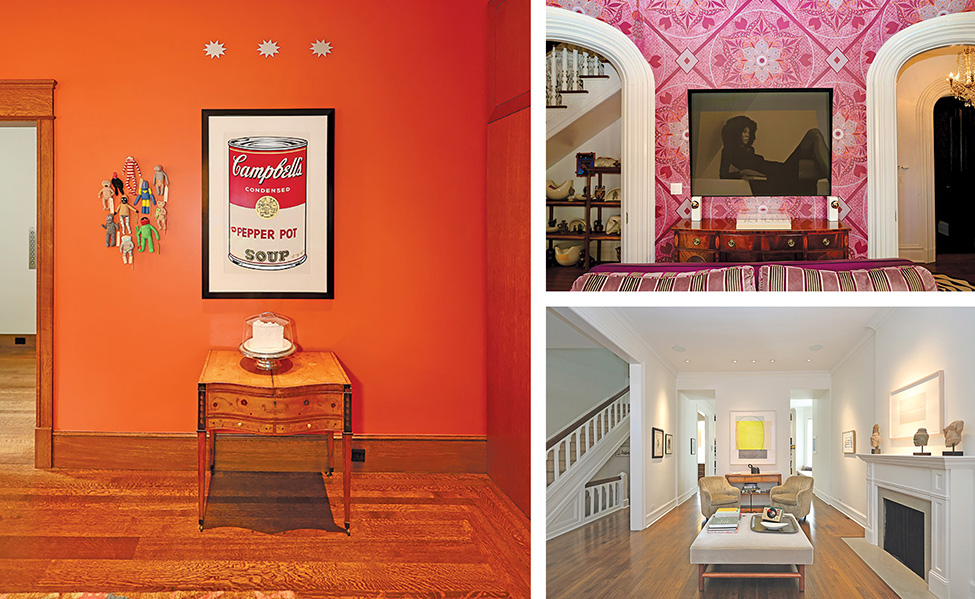
CGN has interviewed dozens of art collectors over the years. Some images from collections are pictured above: Left, Melissa Weber and Jay Dandy's collection; Top right: Sundeep Mullangi and Trissa Babrowski; Lower right: Kate Neisser.
Start With What You Love
For new collectors, the best advice is refreshingly simple: begin with the work you cannot stop thinking about.
Don’t overthink where it will live.
Don’t worry about what goes with what.
Don’t wait until you have a grand plan.
Buy the piece that speaks to you. You will live with it. The collection will grow naturally from there.
Set a Comfortable Budget
Before beginning the search for a new work, decide what you feel comfortable spending annually, whether it's for a single piece or several. You do not need to spend thousands to begin collecting. Many collectors start with works by emerging artists, editions, or smaller pieces in the $200–$500 range.
Collecting is a long game. Building slowly and with a budget you can live with often leads to the most meaningful collections.
Understand the Full Cost of a Purchase
The price of the artwork is only part of the equation. When budgeting, consider the broader costs that come with collecting.
Artist & Market Value
Established artists typically command higher prices, while emerging artists often provide more accessible entry points for new collectors. Works that are rare or art by artists no longer living can cost more because of limited availability.
Medium & Materials
Unique works, such as paintings or sculpture, generally cost more than editioned work or multiples. Works on paper and photography can cost less. Materials and craftsmanship can also influence a work’s longevity and value.
Handling, Framing, Shipping
Proper framing, including protective materials like UV glass, preserves and enhances a work of art. Shipping costs vary depending on size, weight, and fragility. Custom crates can add a lot to cost.
Care & Insurance
For higher-value works, collectors may wish to consider insurance or professional storage.
Take Your Time
Spend time looking before you buy.
Attend gallery openings.
Visit art fairs.
Join exhibition tours and collector groups.
Speak with gallerists and artists whenever possible.
Over time, your eye will sharpen and your taste will develop. Relationships within the art world often lead to deeper insight into an artist’s practice—and sometimes early access to new work.
A Few Final Tips
• Collect what resonates with you. Don’t chase what's hot or what you think will rise in value fastest.
• Keep simple records of your purchases (artist, title, medium, date, and price) somewhere you can easily access them.
• Collecting art is not about perfection. It is about the process of discovery. It starts with one piece.
Enjoy the process!
#